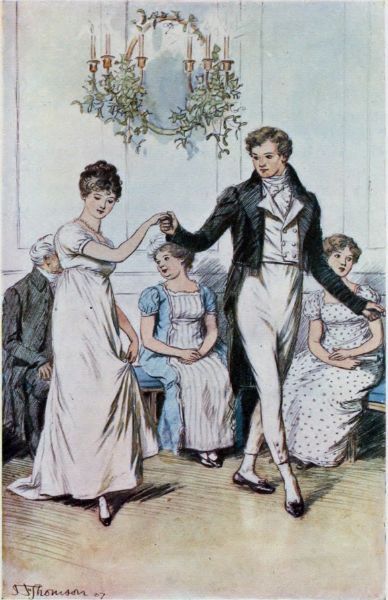
Ballroom dancing appeared in Europe in the 16th century, at the heart of royal courts. It accompanied balls, receptions, and meetings between influential families. Dancing became a form of language. It reflected education, discipline, and the way a person presented themselves to others. Nothing was left to chance. Posture was upright, movements were controlled, and the gaze was precise. Learning to dance was part of one’s upbringing. It was a social foundation, almost a necessity for moving within that environment.
Over time, these practices gradually left the palaces. They spread to other parts of society, while maintaining a certain level of demand.
A sense of rigor remained. A way of moving that was still marked by elegance and control.
The earliest dances seemed simple, but required precision. The minuet, the pavane, and the contredanse imposed a slow rhythm, strict coordination, and constant attention to detail. Physical contact between partners was limited. Connection was mainly expressed through eye contact and synchronization.
These foundations still shape modern ballroom dances. There is always a balance between technique and expression. Between control and freedom. What began as a social code has gradually become a true art form.
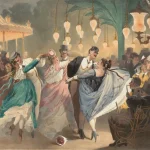
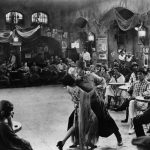


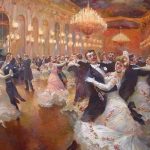
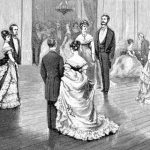
In the 19th century, dance evolved with the arrival of the waltz. The relationship between partners changed. They danced closer together, and movement became circular, continuous, and more natural. This marked a clear break from earlier dances. The feeling became more fluid. The body expressed itself differently.
This transformation changed how dance was perceived. It was no longer just a demonstration. It became an experience. Something that is felt as much as it is performed.
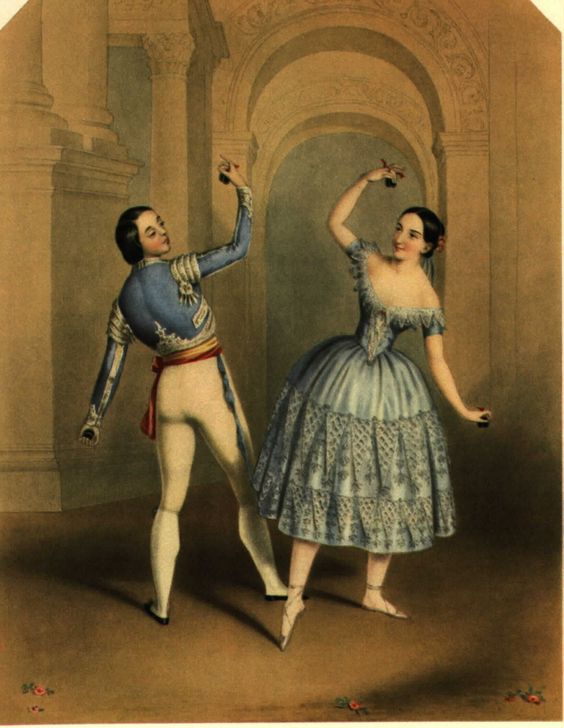
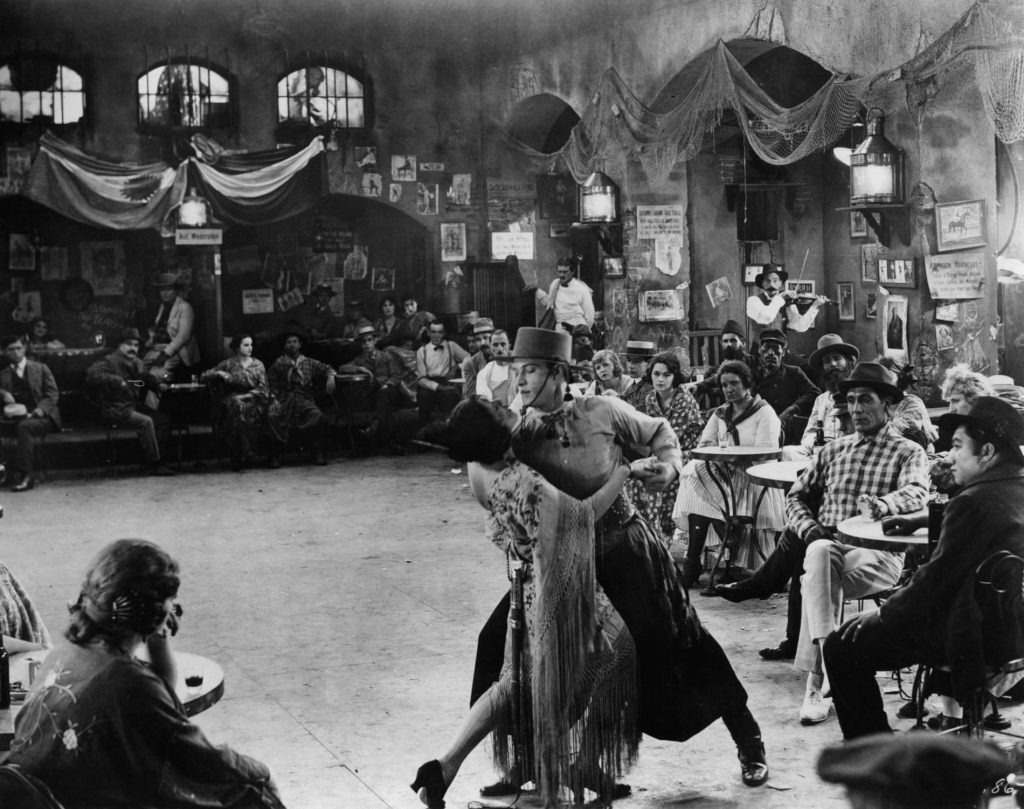
In the 20th century, styles multiplied and developed. The tango introduced tension and intensity. The foxtrot brought a modern sense of flow. The quickstep added lightness and speed. Each dance developed its own identity, its own energy, its own way of being experienced.
Gradually, dances were structured, classified, and taught in a systematic way. A distinction appeared between standard dances and Latin dances. This organization allowed for clearer teaching and more precise progression.
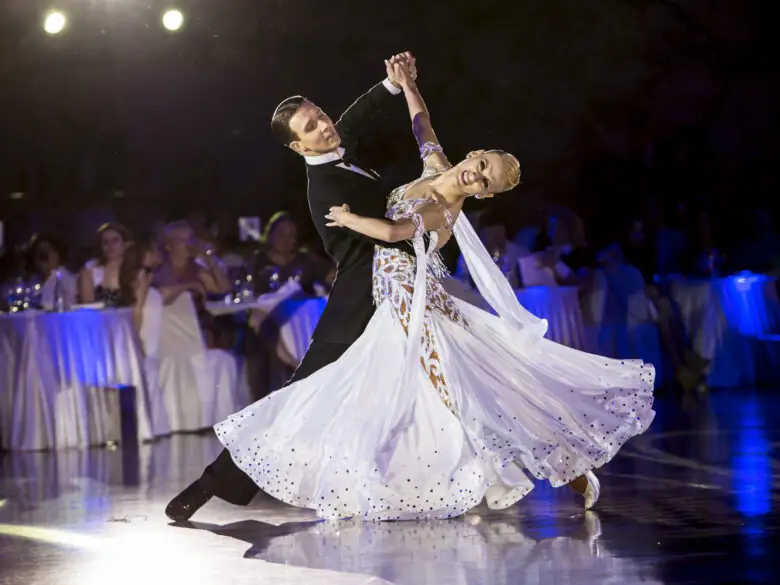
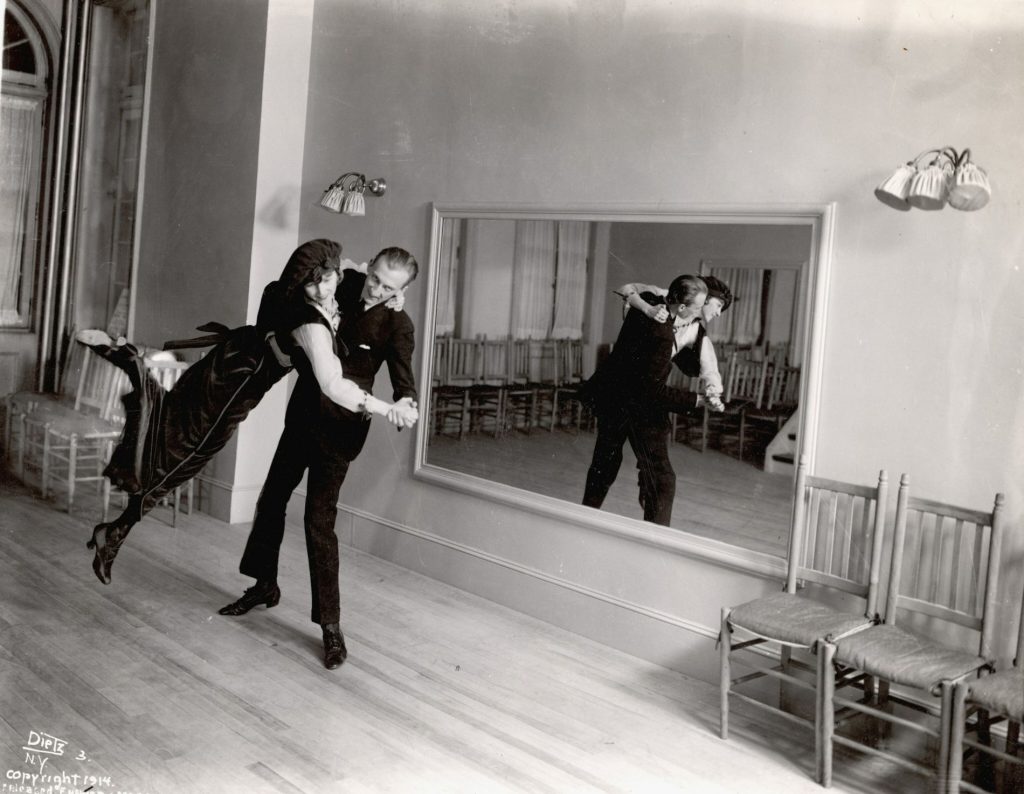
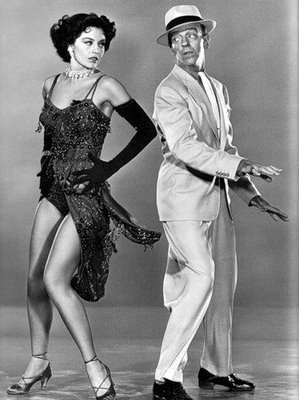
Ballroom dancing became a sport during the 20th century. Competitions appeared and quickly developed. Dancers are judged on technique, posture, musicality, presence, and connection with their partner. Every detail matters. Placement, precision, continuity of movement.
Over time, these events grew in scale. They brought together dancers from all over the world. From amateur to professional level, everyone can find their place. For some, competition is a goal. For others, it is an experience. In all cases, it is a moment where training becomes performance. Where effort becomes visible.
Today, ballroom dancing is no longer limited to a specific setting. It is accessible to everyone. It exists in studios, schools, and associations. Children, adults, beginners, and enthusiasts all come for different reasons. Some want to learn. Others want to improve. Others simply want to experience something new.
Dance becomes a separate space. A moment to slow down. To focus on the body, on movement, on music. It develops coordination, posture, and confidence. But it also brings a sense of calm. A presence. A feeling that is difficult to find elsewhere.
Ballroom dancing is more than a sequence of steps. It requires time, attention, and consistency. It demands listening, observation, and adaptation. But in return, it offers something rare. A real sense of progress. A deeper understanding of movement. A connection with music and with another person.
Over time, movements become natural. The body adapts. The mind relaxes. You think less and feel more. Dance settles in gradually, without effort. And at some point, everything becomes fluid. You no longer think about the steps. You simply follow the movement.